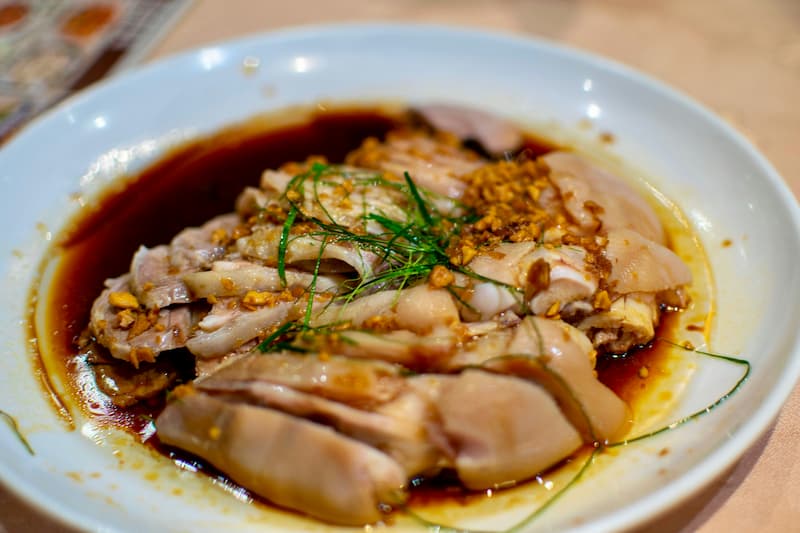
Sodium in Hawker Food: The Hidden Health Crisis Singaporeans Are Missing
You've been thinking about calories. Maybe protein. Possibly carbs. But there's a number on your nutrition label that most Singaporeans never look at — and it may be doing more damage to your long-term health than anything else on your hawker plate.
Sodium. Salt. The invisible ingredient in almost every hawker dish, sauce, broth, and seasoning. And by verified HPB Singapore data, the numbers are alarming.
One bowl of Laksa. That's 82% of your entire daily sodium allowance in a single lunch. Add a Kopi-O and some char kway teow for dinner and you've doubled the limit — without thinking twice about it. This is the sodium reality of eating hawker food every day in Singapore.
Why Sodium Matters More Than You Think
Sodium is not inherently evil. Your body needs it to function — for nerve signals, muscle contraction, and fluid balance. The problem is too much of it, too consistently.
High daily sodium intake over time is one of the leading contributors to high blood pressure (hypertension) — and Singapore has a real hypertension problem. According to the National Population Health Survey, nearly 1 in 3 Singaporeans aged 40 to 69 has hypertension. Many don't know it, because hypertension has no symptoms until it causes a stroke, heart attack, or kidney failure.
Reducing sodium doesn't mean you have to give up hawker food. But you do need to know which dishes are the hidden culprits — because the worst offenders are not the ones you'd expect.
The Worst Offenders — HPB Sodium Data
| Dish | Sodium (mg) | % of Daily Limit | Risk Level |
|---|---|---|---|
| Bak Kut Teh (full pot) | 2,400–3,100mg | 120–155% | 🔴 Critical |
| Prawn Noodle Soup | 1,800–2,400mg | 90–120% | 🔴 Critical |
| Laksa (full bowl) | 1,500–1,800mg | 75–90% | 🔴 High |
| Char Kway Teow | 1,400–1,700mg | 70–85% | 🔴 High |
| Mee Goreng | 1,300–1,700mg | 65–85% | 🔴 High |
| Wonton Noodle Soup | 1,100–1,500mg | 55–75% | 🟠 Elevated |
| Chicken Rice (full plate) | 980–1,280mg | 49–64% | 🟠 Elevated |
| Bak Chor Mee | 900–1,200mg | 45–60% | 🟠 Elevated |
| Economy Rice (2 dishes) | 700–1,100mg | 35–55% | 🟡 Moderate |
| Sliced Fish Soup, clear | 600–900mg | 30–45% | 🟡 Moderate |
The Worst Dish You Don't Suspect — A Closer Look
This one surprises people. Bak Kut Teh feels wholesome — it's a pork rib herbal soup, after all. But the Teochew-style version served at most Singapore kopitiam is loaded with dark soy sauce, light soy sauce, and oyster sauce. A full pot, especially when you're refilling broth and dunking you tiao, can push sodium to 3,000mg — 50% over the daily limit in a single meal.
The intense, deeply savoury prawn broth that makes Prawn Noodles so delicious is the problem. The broth is made by simmering prawn heads and shells for hours — concentrating sodium and natural glutamates to levels far beyond what most people realise. Add the sambal chilli on the side and you're pushing close to a full day's sodium in a single bowl.
Char Kway Teow is a triple sodium threat — dark soy sauce, light soy sauce, and oyster sauce, all at high heat in a wok with lard. The char (wok hei) flavour everyone loves comes from that combination of sauces hitting extremely hot metal. Unfortunately that same process caramelises a massive sodium load into every strand of kway teow.
The Lower-Sodium Alternatives — Same Satisfaction
✅ Smarter Swaps for High-Sodium Favourites
| Instead of... | Try... | Sodium Saved |
|---|---|---|
| Laksa (full bowl) | Sliced Fish Soup, clear broth | ~800–1,000mg |
| Char Kway Teow | Kway Teow Soup (less gravy) | ~700–900mg |
| Prawn Noodle Soup | Ban Mian soup + egg | ~900–1,200mg |
| Bak Kut Teh (Teochew) | Bak Kut Teh (Hokkien pepper style) | ~500–800mg |
| Mee Goreng | Mee Siam (less gravy) | ~400–600mg |
| Wonton Noodle Soup | Yong Tau Foo, clear soup | ~500–700mg |
The Sodium You're Drinking
Hawker food isn't the only sodium culprit. Your drinks matter too — and this one catches people off guard.
| Drink | Sodium (mg) | Notes |
|---|---|---|
| Milo (full glass, sweetened) | ~180–220mg | Surprisingly high |
| Bandung (rose syrup milk) | ~120–160mg | From condensed milk |
| Teh Tarik (full glass) | ~100–140mg | From condensed milk |
| Fresh Sugar Cane Juice | ~15–30mg | Low — good choice |
| Kopi-O Kosong | ~5–15mg | Best choice |
| Plain water | ~0mg | Helps flush excess sodium |
Plain water actively helps your kidneys process and excrete excess sodium. If you've had a high-sodium hawker meal, drinking adequate water throughout the day is one of the simplest things you can do to mitigate the impact.
Practical Rules for Managing Sodium at the Hawker Centre
The 5 Golden Rules
1. Don't finish your broth. Up to 60% of the sodium in soup-based dishes is in the liquid. Enjoy the dish, leave the broth.
2. Ask for less sauce. For wok-fried dishes like Char Kway Teow and Mee Goreng, siew cheong (less sauce) reduces sodium meaningfully without killing the flavour.
3. Balance your day, not just the meal. If you had a high-sodium lunch, make dinner a low-sodium option like clear fish soup or yong tau foo. Sodium management is a daily average, not a per-meal absolute.
4. Watch your condiments. Soy sauce dips, chilli sauce, and sambal at the table add sodium on top of an already sodium-loaded dish. Use them sparingly.
5. Track it. Most people genuinely do not know how much sodium they're consuming. The only way to build awareness is to see the number. NutriKaki shows your daily sodium total next to your calorie and protein count — using verified HPB data for every dish.
📖 Related: The Low Calorie Hawker Survival Guide — 15 Best Dishes Under 400 kcal →
NutriKaki tracks your daily sodium alongside calories, protein, and fat — with verified HPB Singapore data for every hawker dish.
Start Tracking Your Sodium Free on NutriKaki →Frequently Asked Questions
Which hawker food is highest in sodium in Singapore?
Bak Kut Teh (Teochew style) and Prawn Noodle Soup are consistently among the highest, with sodium counts that can exceed the full daily recommended limit in a single serving. Laksa and Char Kway Teow are close behind.
What is the daily sodium limit recommended for Singaporeans?
The World Health Organisation recommends less than 2,000mg of sodium per day for adults. Singapore's HPB recommends the same limit. Many Singaporeans eating hawker food for multiple meals regularly exceed this without realising it.
Is chicken rice high in sodium?
Yes — a standard full plate of chicken rice contains approximately 980 to 1,280mg of sodium, which is roughly 50 to 65% of the daily limit. The main sources are the soy sauce dip, ginger sauce, chilli sauce, and the flavoured rice itself.
Can I reduce sodium in hawker food without changing what I eat?
Yes, meaningfully. Leaving broth unfinished, asking for less sauce on wok-fried dishes, using condiments sparingly, and balancing higher-sodium meals with lower-sodium ones later in the day all add up to significant reductions without giving up your favourite dishes.
How does NutriKaki track sodium?
NutriKaki uses the official HPB Singapore food composition database — the same clinical dataset used by Singapore's Health Promotion Board — to show the sodium content of your specific hawker dishes, including portion sizes and modifiers like less sauce or less broth. Your daily sodium total is tracked alongside calories, protein, and fat.
Nutrition data sourced from the Health Promotion Board (HPB) Singapore food composition database. Sodium values are approximate and vary significantly by stall, recipe, and portion size. This article is for general wellness and awareness purposes only and does not constitute medical or dietary advice. If you have hypertension or a kidney condition, please consult a registered dietitian or doctor for personalised guidance.