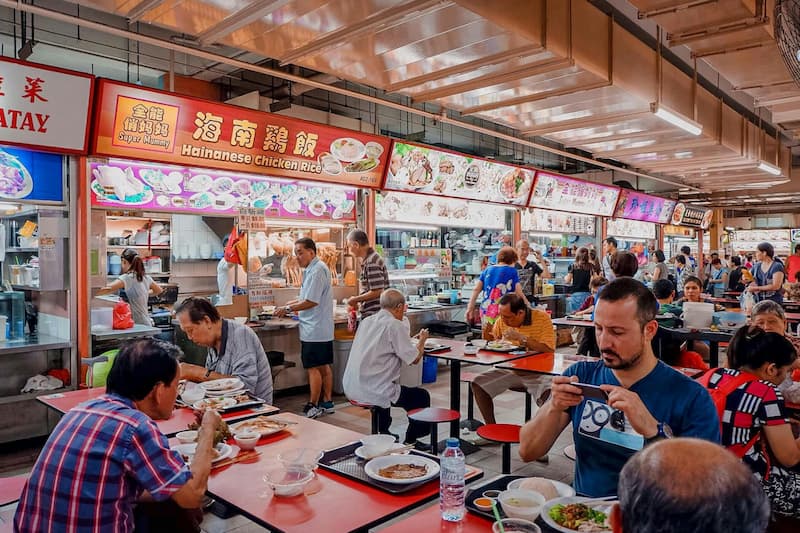
Best Hawker Food for Diabetics in Singapore (2026 Guide)
Singapore has one of the highest diabetes rates in Asia — roughly 1 in 3 Singaporeans aged 60 and above lives with the condition, and the numbers among younger adults are rising. Eating out at hawker centres every day is a reality for most Singaporeans, which means managing blood sugar at the kopitiam is not optional — it is a daily necessity.
The good news: hawker food is not the enemy. Several of Singapore's most common dishes are genuinely well-suited to a diabetes-friendly diet. The challenge is knowing which ones — and how to order them.
What Makes a Dish Diabetes-Friendly?
For blood sugar management, the key factors in a hawker dish are:
Low refined carbohydrates — white rice and noodles raise blood glucose quickly. Smaller portions, or swapping to lower-GI alternatives, matters. High protein and fibre — both slow glucose absorption, keeping blood sugar stable longer after a meal. Low added sugar — sauces, gravies, and drinks are often hidden sugar sources. Moderate sodium — diabetes and high blood pressure frequently occur together, making sodium management doubly important.
The Best Hawker Choices for Diabetics
| Dish | Why It Works | Ordering Tip |
|---|---|---|
| Yong Tau Foo (clear soup) | You control ingredients. High in protein and veg. Low carb if you skip noodles. | Choose tofu, fish items, vegetables. Skip or halve the noodles. Clear soup only. |
| Sliced Fish Soup | High protein, clear broth, low fat. One of the cleanest hawker meals available. | Ask for less rice or vermicelli. Drink less of the soup to manage sodium. |
| Steamed Chicken Rice (breast, less rice) | Good protein source. Manageable carbs with less rice. Steamed is lower fat. | Breast meat, siu fan (less rice), steamed not roasted, go easy on dark soy. |
| Economy Rice (mixed veg + 1 protein) | Fully customisable. Choose steamed veg, tofu, or fish over fried items. | Two vegetable dishes + one lean protein. Avoid pre-fried dishes sitting in oil. |
| Mee Soto (clear broth) | Moderate carbs, lighter broth than coconut-based soups. | Ask for less noodles. Clear broth only — avoid adding extra chilli with sugar. |
| Porridge / Congee | Easier on digestion, lower GI than rice if cooked well. Filling with protein add-ons. | Add a century egg or steamed fish. Avoid preserved/salted meats for sodium. |
Dishes to Be Careful With
| Dish | The Issue | If You Must Have It |
|---|---|---|
| Nasi Lemak | Coconut rice is high GI and calorie-dense. Easy to over-eat toppings. | Less rice, skip the chicken wing, eat the cucumber. Occasional treat only. |
| Laksa | Coconut milk broth is high in saturated fat. Large noodle portion spikes blood sugar. | Ask for less noodles. Drink very little of the broth. Small bowl if possible. |
| Mee Rebus | Sweet, starchy gravy made with sweet potato — significant sugar load. | Ask for less gravy. Share with someone if portion is large. |
| Char Kway Teow | Fried flat rice noodles with lard, soy sauce, and high heat. Very high GI, high fat. | Better to avoid. If craving it, share one plate as an occasional treat. |
| Fried Carrot Cake (black) | Dark version has added sweet dark sauce — very high sugar and refined carbs. | White version is slightly better. Both are occasional treats for diabetics. |
The Drinks Problem: Your Biggest Hidden Sugar Source
Many Singaporeans carefully choose a sensible hawker meal — then undo it with their drink order. A cup of Kopi (coffee with condensed milk) contains 100–130 calories and around 15–20g of sugar. Two Kopis a day is 30–40g of added sugar before you eat a single thing.
| Drink | Approx. Sugar | Diabetes-Friendly? |
|---|---|---|
| Kopi-O Kosong (black coffee, no sugar) | 0g | ✅ Yes |
| Teh-O Kosong (black tea, no sugar) | 0g | ✅ Yes |
| Plain water / warm water | 0g | ✅ Yes |
| Barley water (unsweetened) | ~3–5g | 👍 Generally okay |
| Kopi / Teh (with condensed milk) | ~15–20g | ⚠️ Limit |
| Milo (standard) | ~25–35g | ❌ Avoid |
| 100Plus / Isotonic drinks | ~17–22g | ❌ Avoid |
| Canned fruit juice / soda | ~25–40g | ❌ Avoid |
Practical Ordering Phrases to Use at the Hawker Centre
These are the Singlish phrases that get results at the stall — no lengthy explanation needed:
"Siu fan" — less rice. Works at chicken rice, economy rice, and most noodle stalls. "Kosong" — no sugar. Use it for any drink order. "Less gravy" or "gravy on the side" — reduces sugar-heavy sauces in dishes like Mee Rebus or Economy Rice. "Steamed, not fried" — relevant at Yong Tau Foo and Economy Rice stalls. "Clear soup, no coconut" — critical at noodle stalls where you have a choice of broth.
Frequently Asked Questions
Yong Tau Foo with clear soup and minimal noodles, Sliced Fish Soup with less rice, and Steamed Chicken Rice with breast meat and less rice are consistently the best choices. All are high in protein, moderate in carbohydrates, and do not contain sugary gravies or coconut milk.
Occasionally and in moderation. Coconut rice has a higher glycaemic impact than plain rice, and fried toppings add saturated fat. If you eat it, request less rice, skip the fried chicken wing, choose otah or egg instead, and eat all the cucumber.
Steamed chicken rice can be a reasonable choice when ordered carefully — breast meat, less rice (siu fan), steamed not roasted, and minimal dark soy sauce. It provides good protein with a manageable carbohydrate portion.
Avoid Kopi, Teh, Milo, canned fruit juices, isotonic drinks, and all sodas. The safest choices are Kopi-O Kosong, Teh-O Kosong, plain water, or unsweetened barley water. Siew Dai still contains significant sugar and is not sufficient for strict blood sugar management.
Yes — it is one of the best hawker choices available. You control exactly what goes into your bowl, you can request little or no noodles, the protein content is high, and the clear broth is far better than coconut or curry-based soups. Choose steamed or boiled items over fried ones.
This article is for general wellness and educational purposes only. Nutrition data sourced from the Health Promotion Board (HPB) Singapore food composition database. Values are approximate. This content does not constitute medical or dietary advice. If you have diabetes or any chronic condition, consult a qualified healthcare professional before making dietary changes.